Small Wine Bars vs. Wine Lounges: Which Experience is Right for You?
- by Julian Thorne
- Apr, 18 2026
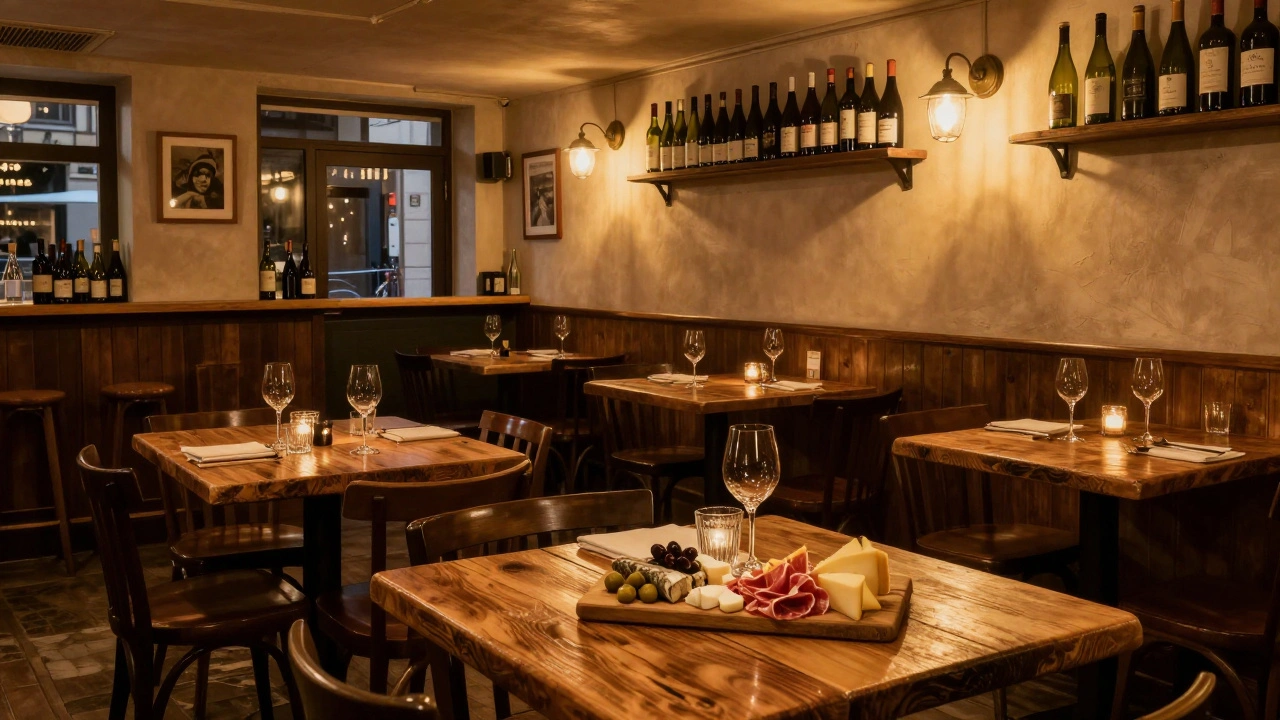
You're looking for a place to unwind after a long week, but you're stuck between two options: a cozy, tucked-away wine bar or a plush, sprawling wine lounge. At first glance, they both sell fermented grapes in a glass, but the actual vibe is worlds apart. One feels like a conversation with an old friend in a library; the other feels like a VIP backstage pass to a luxury hotel. Choosing the wrong one can mean the difference between a night of intimate connection and a night of feeling like a small fish in a very fancy pond.
The Intimacy of Small Wine Bars
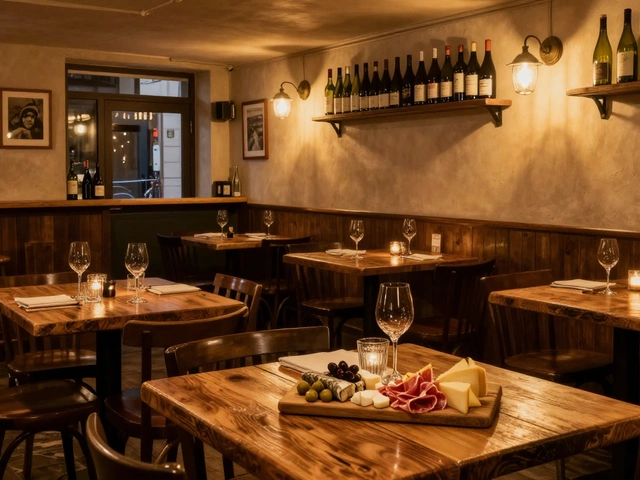
A small wine bar is a curated hospitality space where the focus is on high-quality wine selections and an intimate, cozy atmosphere. These spots usually prioritize a "neighborhood" feel. Think dim lighting, rustic wooden tables, and a staff that remembers your name and your favorite grape variety after just two visits.
The magic of a small wine bar lies in its curation. Unlike a massive cellar, a small bar usually features a tightly edited list. This means the owner has likely tasted every single bottle and can tell you exactly why a specific volcanic white from Sicily works better than a standard Pinot Grigio. It's less about the status of the label and more about the discovery of the pour. You aren't just a customer here; you're part of a micro-community of enthusiasts.
In these spaces, the wine pairing is often a casual, conversational affair. You might find a gourmet cheese board or a platter of salty charcuterie that is specifically designed to cut through the acidity of a crisp Riesling. Because the space is small, the staff can pivot quickly, suggesting a different glass if the first one doesn't hit the mark. It's a low-pressure environment where the wine is the star, and the setting is simply a comfortable backdrop.
The Luxury of Wine Lounges
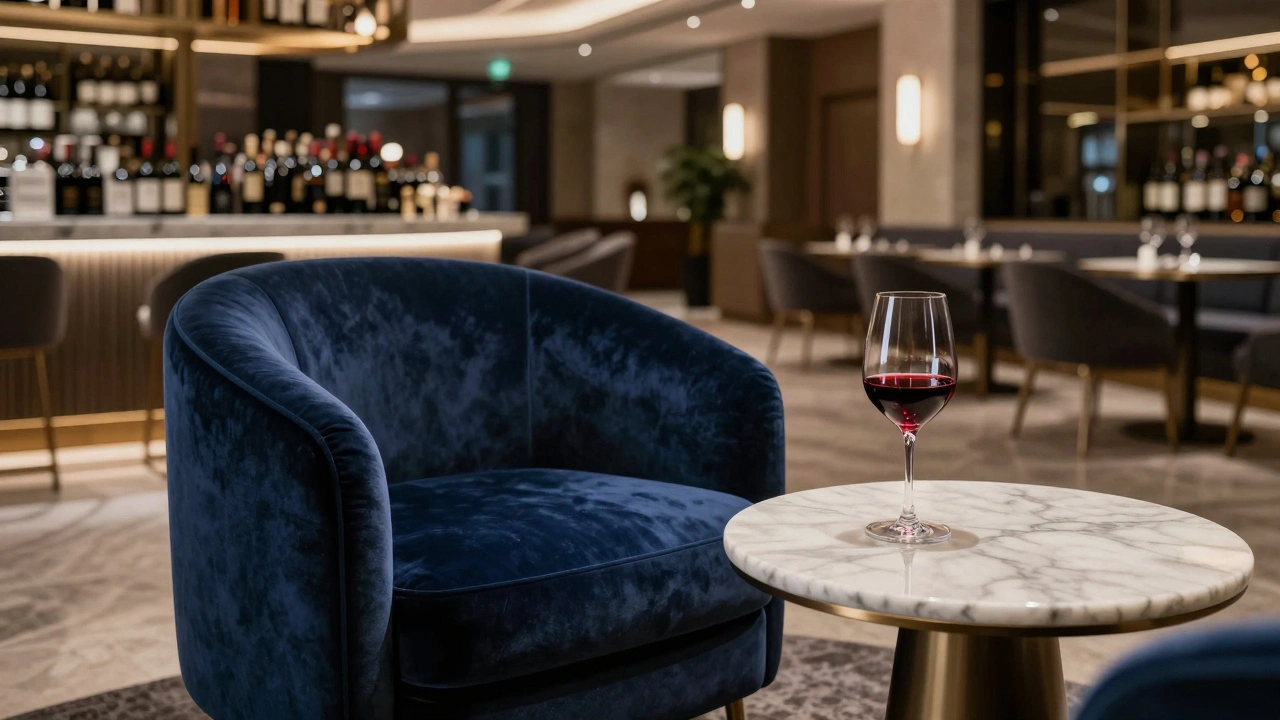
Now, step into a wine lounge, and the energy shifts. If a wine bar is a cozy cottage, a lounge is a modern penthouse. These venues are designed for linger-time. We're talking oversized velvet armchairs, ambient lounge music, and an emphasis on physical comfort. The primary goal here isn't just the wine; it's the experience of relaxation.
Wine lounges often function as high-end social hubs. They provide the space and silence necessary for deep conversations or high-stakes business meetings. While a small bar might have people rubbing elbows at a communal table, a lounge gives you a designated zone of luxury. The service is typically more formal, and the atmosphere is engineered to make you feel pampered. You don't just "grab a drink"; you "settle in" for the evening.
Many lounges also lean into the hybrid model. You might see a retail section where you can buy the bottle you just enjoyed, blending the line between a tasting room and a boutique shop. This allows the lounge to maintain a higher price point because they are providing a curated environment and expert guidance over several hours, rather than a quick 20-minute stop.
Comparing the Core Experience
The choice really comes down to what you want to feel. Are you seeking the thrill of a hidden gem, or the security of a luxury setting? To make it easier, let's look at how these two styles stack up across the most important categories.
| Feature | Small Wine Bar | Wine Lounge |
|---|---|---|
| Vibe | Intimate, rustic, conversational | Sophisticated, plush, relaxed |
| Seating | Bistro tables, high stools, communal | Deep sofas, lounge chairs, private pods |
| Wine List | Highly curated, niche, discovery-focused | Extensive, prestige labels, diverse regions |
| Pace | Lively and social | Slow and lingering |
| Food | Small bites, charcuterie, tapas | Gourmet platters, light dining, refined snacks |
The Role of the Sommelier and Staff
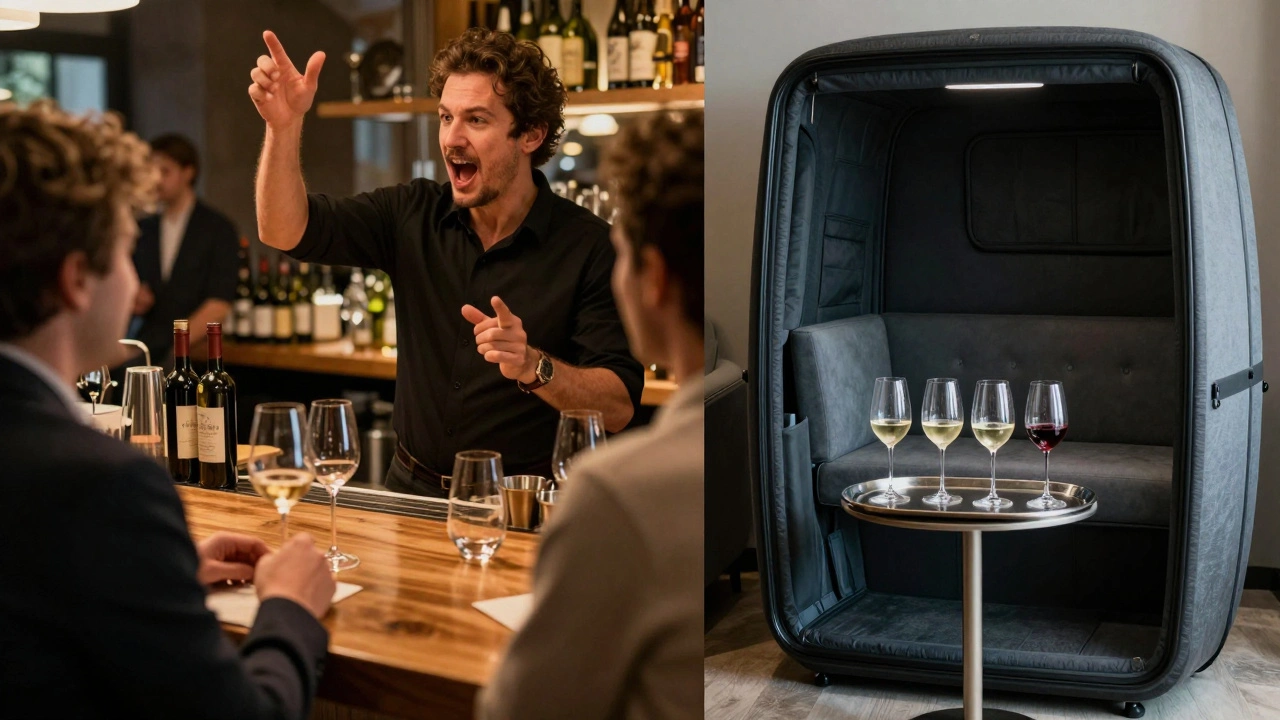
In both settings, the staff act as the bridge between the bottle and the guest, but their approach differs. In a small wine bar, the Sommelier-or the knowledgeable owner-often acts as a guide. They might challenge your palate by suggesting a "natural wine" or a rare varietal from an obscure region. The interaction is peer-to-peer; they are fellow enthusiasts sharing a passion.
In a wine lounge, the service is more about curation and precision. The staff are trained to manage the flow of the evening, ensuring your glass is topped off and your environment remains undisturbed. The expertise is there, but it is delivered with a level of professional distance that enhances the feeling of luxury. They aren't just suggesting a wine; they are managing your sensory experience.
The Impact of Venue Design on Your Night
It's interesting how the physical layout of these places actually changes how we drink. Data from winery tasting rooms shows that seated experiences lead to much higher satisfaction and conversion rates than standing bars. Small wine bars often strike a balance, offering a mix of standing and seated areas, which keeps the energy high and the atmosphere dynamic. It's the kind of place where you might start by standing and chatting and end up tucked into a corner booth for two hours.
Wine lounges, however, go all-in on the seated experience. By removing the "standing" element, they signal to the brain that it's time to slow down. This is why you'll often find that people spend more money in a lounge; when you're physically comfortable in a velvet chair, you're far less likely to check your watch or head for the door. The environment is designed to extend the visit, which naturally increases the number of bottles ordered.
Which One Should You Choose?
If you're on a first date and want to keep things low-pressure and exciting, go for the small wine bar. The proximity to other people and the cozy, dim lighting create an instant sense of intimacy. It's a place for discovery and spontaneous conversation.
If you're celebrating a major anniversary or need a quiet spot to close a business deal, the wine lounge is your best bet. The physical space provides a buffer from the outside world, allowing you to focus entirely on your companion without the distraction of a crowded room.
Is a wine lounge more expensive than a wine bar?
Generally, yes. Wine lounges invest more in high-end furniture and larger square footage, which is reflected in the pricing. You're paying not just for the wine, but for the "real estate" of the luxury seating and the slower pace of service.
Can I find a wide variety of wines in a small wine bar?
While they have fewer total bottles than a giant lounge, small bars often have a more "curated" variety. Instead of having ten different Chardonnays, they might have three incredibly unique ones from different continents, providing a more diverse tasting experience per glass.
What is the best food to order at a wine bar?
Stick to the classics that don't overwhelm the wine: artisanal cheeses, cured meats (charcuterie), olives, and crusty bread. These salty, fatty flavors enhance the fruit and acidity of the wine without masking it.
Do wine lounges offer wine flights?
Most do. Because lounges encourage a slower, more educational pace, they frequently offer flights (a selection of 3-5 small pours) to help you compare regions or grape varieties while you lounge.
Are these venues suitable for large groups?
Wine lounges are typically better for larger groups because they have more flexible seating arrangements and larger pods. Small wine bars can feel cramped quickly, making them better for pairs or groups of three.
Next Steps for Your Visit
If you've never been to a curated wine spot, start by checking their social media. Small wine bars often post their "weekly highlights" or limited-edition bottles. If you're heading to a lounge, it's always a good idea to book a specific table or pod in advance, as the limited number of luxury seats can fill up fast on weekends.
For those looking to level up their knowledge, try asking the staff for a "vertical tasting" (the same wine from the same producer but different years) or a "horizontal tasting" (the same grape from different regions). Whether you're in a cozy bar or a plush lounge, these requests show the staff you're interested in the craft, often leading to a much more rewarding experience.
 How to Find the Best Two-for-One Drink Deals and BOGO Happy Hours
 Hong Kong Sex Work Geography: From Wan Chai to New Territories
 Molecular Mixology in Hong Kong: A Guide to High-Tech Cocktails
 Advertising Sex Work in Hong Kong: Legal Risks and Prohibited Promotions
 Small Wine Bars vs. Wine Lounges: Which Experience is Right for You?