Hong Kong Sex Work Geography: From Wan Chai to New Territories
- by Julian Thorne
- Apr, 18 2026
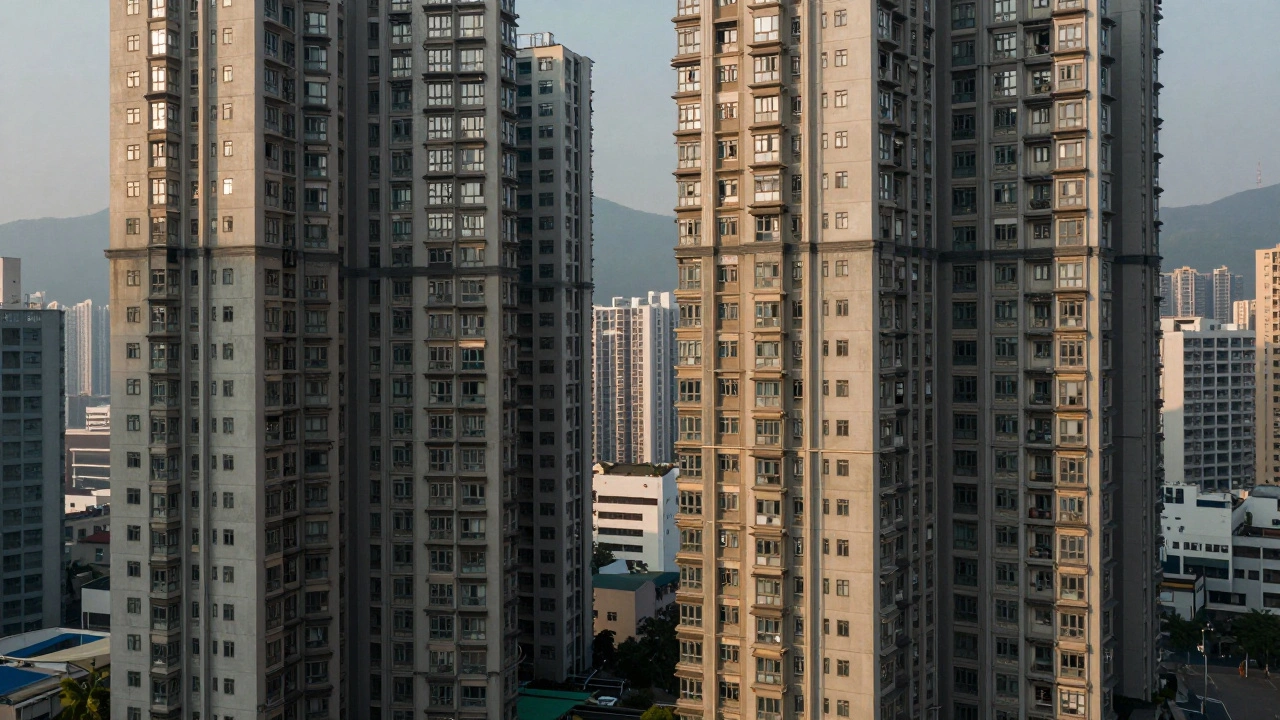
Walking through the streets of Hong Kong, you'll find a city where the line between a residential home and a commercial business is often invisible. This is especially true when it comes to the sex industry. In most cities, red-light districts are clearly marked zones, but in Hong Kong, the industry is woven into the very fabric of the city's high-rises and narrow alleyways. Because of a peculiar legal loophole, the industry has evolved into a decentralized network of hidden apartments and high-traffic hubs, creating a unique urban map of Hong Kong sex work that mirrors the city's obsession with real estate and space.
The Legal Loophole That Shaped the Map
To understand why sex work is scattered across the city, you have to understand the law. In Hong Kong, selling sex is technically legal for an individual, but running a brothel or organizing prostitution is a crime. This has birthed the One-Woman Brothel a business model where a single sex worker operates independently from a private apartment to avoid being classified as an organized brothel.
This "one-for-one" arrangement isn't just a legal strategy; it's a geographic one. Instead of a single street with neon lights, the industry exists in vertical slices. You might enter a nondescript residential tower where an entire floor consists of tiny, subdivided units, each operating as an independent business. This allows operators and landlords to claim they aren't running a coordinated establishment, while in reality, they've created a high-density hub of activity.
Wan Chai: The Visible Face of the Industry
If you ask any tourist about the scene, they'll point you toward Wan Chai a district on Hong Kong Island known for its nightlife, bars, and historical status as a hub for commercial sex work. This is the most visible part of the map. Here, the industry caters heavily to Western businessmen and travelers. You'll find freelancers working out of bars and discothèques, with a demographic largely made up of Thai and Filipino nationals, including a significant community of transgender workers.
However, Wan Chai is almost like a storefront. It's the part the world sees, but it's only a fraction of the actual industry. While the bars are public, the real volume of work happens behind closed doors in the surrounding residential blocks, where the "one-woman" model thrives away from the gaze of patrolling officers.
The Shift to the New Territories
Hong Kong's real estate market is one of the most expensive in the world, and this has pushed the geography of sex work outward. As rents in central districts like Wan Chai and Causeway Bay skyrocketed, many workers relocated to the New Territories the more rural and residential regions north of Kowloon and Hong Kong Island.
Towns like Yuen Long and Sheung Shui have become major centers for the one-woman brothel trade. These areas offer more affordable housing, allowing for the subdivision of flats into smaller units. It's a fascinating demographic shift: the industry is moving from the tourist-heavy urban core to the residential fringes, following the path of affordable rent.
| Venue Type | Primary Clientele | Legal Status/Risk | Common Locations |
|---|---|---|---|
| One-Woman Brothel | Locals & Residents | Technically Legal (Individual) | Yuen Long, Sheung Shui, Residential Towers |
| Massage Parlors/Nightclubs | Tourists & Businessmen | Legal Gray Area | Wan Chai, Causeway Bay |
| Mixed-Use Hubs | Diverse/Migrant Population | High Regulatory Scrutiny | Chungking Mansions |
| Escort Bars/Go-Go Bars | International Visitors | Regulated via Entertainment Visas | Wan Chai |
Notorious Landmarks: From Fuji to Chungking Mansions
Some buildings have become so synonymous with the industry that they serve as architectural markers. In Causeway Bay, the Fuji building is a prime example. It's often cited in online directories as a "walk-up" hub, where multiple units on different floors operate as independent sex work spaces.
Then there is Chungking Mansions a massive mixed-use commercial and residential building in Tsim Sha Tsai known for its density and diverse immigrant population. This isn't a red-light district in the traditional sense, but a chaotic ecosystem. Here, sex work exists alongside guest houses, small businesses, and refugee housing. The government's response here has been tactical rather than prohibitory-installing security cameras in elevators to manage the building's reputation without dismantling the complex social and economic web inside.
The Digital Layer: Mapping via "141"
The physical map of Hong Kong's sex work is now overlaid with a digital one. Because these businesses are tucked away in residential towers, traditional street-walking is rare. Instead, the industry relies on directory websites. Platforms like 141 and miss one for eight function as the modern-day yellow pages for the industry.
These sites create a virtual geography. A client doesn't wander the streets of Yuen Long looking for a sign; they browse a digital list of units in specific buildings. This has effectively shifted the "visibility" of the industry from the physical pavement to the smartphone screen, making the residential towers even more discreet and the industry more resilient to police crackdowns.
Demographics and Migration Patterns
The people inhabiting these spaces are as diverse as the city itself. There is a strong connection between sex work and migration. Many women enter Hong Kong on short-term tourist visas, working intensively for a few weeks to maximize earnings before returning home. This creates a transient population that fluctuates based on visa laws and travel restrictions.
Underground networks often facilitate the entry of women from mainland China and Thailand, sometimes using entertainment visas to place them in hostess clubs or go-go bars. This internationalized workforce means that a single apartment block in a residential neighborhood might house people from four different continents, all operating under the "one-woman" legal shield.
The Impact on General Infrastructure
This integration of sex work into residential and hotel spaces creates unique frictions. It's not uncommon for mainstream hotels to find their corridors becoming unofficial marketplaces. When sex workers rent rooms in hotels on a short-term basis, it affects the experience for regular guests, with noise and foot traffic transforming a quiet hotel floor into a bustling hub of activity.
This proves that the industry isn't segregated. Unlike cities with a "Red Light District's" border, Hong Kong's sex work is an interstitial activity. It lives in the gaps between a legitimate business, a low-cost guesthouse, and a family apartment. It's a reflection of the city's broader struggle with space-where every square inch must be monetized, regardless of the activity taking place.
Is prostitution legal in Hong Kong?
It is a complex legal situation. Individual sex work is generally not illegal, meaning a person selling sex is not necessarily committing a crime. However, "organized" prostitution-such as operating a brothel, living on the earnings of prostitution, or soliciting in a public place-is illegal. This is why the "one-woman brothel" model is so common; it attempts to stay within the law by remaining an individual, unorganized effort.
What is a "one-woman brothel"?
A one-woman brothel is a small, usually one-room apartment where a single sex worker operates independently. By not having a manager or other workers in the same unit, the operation avoids being legally classified as a "brothel," which would be illegal under Hong Kong law.
Where is the red-light district in Hong Kong?
Wan Chai is the most recognized area due to its bars and visible street activity, but it is not a designated "district" in the legal sense. The industry is actually spread across the city, with significant concentrations in residential buildings in Causeway Bay and towns in the New Territories like Yuen Long and Sheung Shui.
Why are some residential buildings specifically known for sex work?
Certain older buildings are more susceptible to subdivision into tiny, affordable units. Landlords or middlemen often buy these tenements and divide them into small flats that are then sublet at high prices to sex workers. Once a building gains a reputation (and appears on directory sites like 141), it becomes a hub for similar operations.
How do clients find these locations?
Because the operations are hidden in residential towers, clients primarily use online directories and websites. These platforms provide specific building names and unit details, acting as a digital map for an otherwise invisible physical industry.
Next Steps for Understanding Urban Demographics
If you're interested in how this geography reflects larger trends, look into the history of subdivided flats in Hong Kong. The same architectural patterns that enable the one-woman brothel industry also house the city's poorest residents, showing a direct link between extreme real estate costs and the unconventional use of urban space. You might also explore the intersection of migration laws and the "entertainment visa" system to see how international labor flows shape the city's nightlife districts.
 How to Find the Best Two-for-One Drink Deals and BOGO Happy Hours
 Hong Kong Sex Work Geography: From Wan Chai to New Territories
 Advertising Sex Work in Hong Kong: Legal Risks and Prohibited Promotions
 Small Wine Bars vs. Wine Lounges: Which Experience is Right for You?
 Molecular Mixology in Hong Kong: A Guide to High-Tech Cocktails